How Can I Tell If a Brand Earns Trust Instead of Buying It?
Trust isn’t something luxury brands can slap on their logos or sprinkle around with marketing slogans. As someone who’s spent over a decade immersed in pre-owned luxury watches, advising first-time buyers, I’ve learned that genuine trust is earned through consistent standards and a chain of small, deliberate decisions. Whether you’re eyeing a Rolex, Omega, or checking out The Watch Company watch maintenance (TWC Japan), knowing how to spot authentic trust helps you avoid empty hype and focus on real quality.
What Does “Earning Trust” Really Mean?
“Built to last.” You hear it everywhere. One client recently told me thought they could save money but ended up paying more.. But what does it mean in day-to-day reality? For me, trust starts long before a product lands on your wrist or in your hand. It is crafted upstream in the design rooms, production floors, and quality control (QC) checks. Then, it’s validated through consistent user experiences — time after time, across different circumstances.
Brands that truly earn trust don’t just coast on a name. They actively prove that reliability and attention to detail matter through every stage of their work.
Craftsmanship Beyond Function: More Than Specs on Paper
Take a closer look before diving into technical specs. I always start by feeling the crown action on a watch and how the bracelet balances on my wrist. These “invisible” details reveal craftsmanship beyond just stated features.
For example, Rolex models are famously engineered with that satisfying screw-down crown feel—smooth but firm, intuitive, and reliable over years of daily use. The bracelet’s weight distribution isn’t just about heft but comfort and confidence in every movement. Omega, on their part, invests in anti-magnetic tech that’s not just a buzzword but a practical advantage in environments typical for wearers, ensuring accuracy and peace of mind.
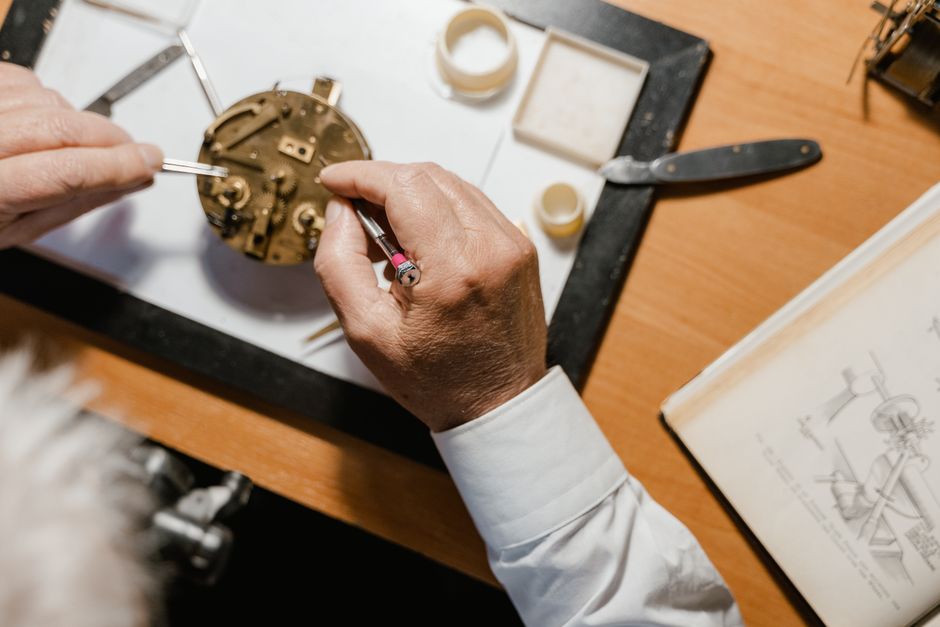
The Watch Company (TWC Japan) demonstrates this attention to invisible refinement with their careful selection of pre-owned pieces. Their team, based in Tokyo’s watch culture hub Nakano, performs thorough inspections not only for functionality but also for small details like clasp tension and dial finishing—factors regular buyers might overlook but which drive durable satisfaction.
Invisible Details That Change User Experience
- Textured crown edges: Easier grip, long-term wear without finger fatigue.
- Bracelet clasp clicks: Clear, deliberate feedback that builds confidence the bracelet won’t loosen accidentally.
- Dial finishing and lume quality: Subtle polish and even glow, affecting readability and elegance under different light.
- Caseback engraving and pressure fit: Clues about assembly precision and resistance to elements.
These elements matter because they directly shape your relationship with the piece each day. They’re the quality threads that sew trust into the product’s fabric.
Upstream Quality Work: The Root of Consistent Standards
Consistency is not accidental. It’s the result of upstream decisions, from design sketches to choice of materials, tooling precision, assembly techniques, and rigorous QC. This chain is where a brand’s commitment to reliability either holds firm or unravels.
Take Omega’s famously high Master Chronometer certification. It’s not a marketing gimmick but the result of comprehensive testing through a sequence of exacting standards covering magnetism, power reserve, and precision in multiple positions. That certification process is a quality gatekeeper ensuring every watch meets consistent standards.
Rolex owns their foundries and controls nearly every step of their production. This upstream integration reduces dependency on external suppliers and elevates their ability to iron out inconsistencies early. It also means every part meets Rolex’s internal benchmarks long before assembly begins.. Exactly.
Similarly, companies like The Watch Company (TWC Japan) leverage their extensive experience and local knowledge to choose product lines known for this depth of upstream quality. Their “TWC Blog” section on their site regularly explores how upstream quality choices translate to long-term user satisfaction—something potential buyers often miss.
Reliability and Long-Term Value: Trust in Everyday Life
Reliability isn’t just about the first few weeks after purchase—it's about performance years down the road. Brands that earn trust don’t expect you to accept failure or disappointment silently. They foster repeat positive experiences through robust warranties, accessible servicing, and clear communication.
Rolex’s near-mythical reputation as a “lifetime watch” is grounded in widespread global servicing networks, straightforward part replacements, and a robust user manual outlining care routines. Omega’s commitment to longevity is seen in proactive movement updates and transparent documentation on maintenance.
The Watch Company’s role as a trusted intermediary ensures customers not only buy authentic timepieces but also receive guidance on servicing intervals and post-purchase support. They make trust a continual process, not a one-time transaction.
Comparing Trust to Truly Earned Trust
Aspect Buying Trust (Marketing Claim) Earning Trust (Real Experience) Craftsmanship Broad marketing slogans like “Built to Last” Subtle design details that improve daily wear and durability Quality Control “Random checks” or unspecified standards Detailed upstream QC with certifications and strict tolerances Reliability “Investment-worthy” buzzwords Repeat positive experiences verified by owners and service networks User Experience Vague promises Measurable enhancements like crown feel, bracelet comfort, and readabilityLearning from Other Industries: The MrQ Mobile Platform Example
Ask yourself this: to illustrate consistent standards and trust outside of watches, consider the mobile casino sector. The MrQ mobile platform earns user trust not by flashy promises alone, but through reliable interfaces, secure payment systems, and responsive customer support. Their reputation builds incrementally with each positive user interaction — analogous to how top watch brands build theirs.
This shows trust is less about grand claims and more about repeat positive experiences. Consumers today can peel back marketing layers if they know what signs to look for.
How You Can Spot Brands That Earn Trust
- Look for consistent standards, not flash claims. Research their quality control certifications or documented manufacturing processes. Reputable sources like TWC Blog can give insights.
- Pay attention to invisible details. Test interaction points—if buying locally or secondhand, feel the crown, clasp, and check dial finishing.
- Check the brand’s service and support network. Genuine trust means customer support beyond the sale.
- Read real user experiences over time. Forums, trusted marketplaces, and platforms like The Watch Company provide verified customer stories.
- Avoid brands relying heavily on investment hype. Trust grows from quality, not just expected price appreciation.
Final Thoughts
Ultimately, trust is a chain of small decisions, made upstream by quality-conscious teams and reinforced downstream by reliable experiences. Whether it’s a Rolex winding smoothly on your wrist, an Omega still performing flawlessly after years, or a pre-owned piece vetted by The Watch Company in Tokyo, look beyond logos and adverts.

Ask yourself: Does this brand have consistent standards? Can I expect repeat positive experiences? Is the reputation built on real quality or just bought via marketing? When the answer leans toward genuine craftsmanship and invisible yet impactful details, you’ll know that trust isn’t bought—it’s earned.