How Do I Build a Simple Maintenance Routine for Things I Own?
In a world rushing towards planned obsolescence and disposable goods, cultivating a thoughtful maintenance routine can dramatically extend the life of our most valued possessions. Whether it's a mechanical wristwatch from Rolex, a vintage camera, or your everyday leather accessories, maintenance is not just about functionality but valuing craftsmanship and quality built long before the item reaches your hands.
Why Focus on Maintenance? Craftsmanship Over Pure Functionality
Many products today are designed to serve a purpose just long enough before wear and tear forces replacement. However, truly premium objects—those products designed by respected organizations such as the Federation of the Swiss Watch Industry (FHS)—demonstrate exceptional quality upstream. That means their design, choice of materials, precise engineering, and rigorous quality control all build reliability straight into the item.
This kind of quality cannot be replicated simply by buying a new version every few years. Instead, reliable, well-made products reward owners who commit attention to small details and tolerances, and who follow a timely repairs and cleaning schedule. This approach creates lasting value, preserving function and aesthetic appeal far beyond a typical product lifecycle.
Core Principles of a Simple Maintenance Checklist
Before diving into specific steps, it helps to anchor your maintenance routine upon key principles that any affluent, detail-minded collector or user appreciates:
- Respect the craftsmanship: Each product, especially premium accessories like Rolex watches, is the outcome of meticulous design and assembly.
- Prioritize small details: Listen to the “feel” — crown turns, bezel clicks, the balance of the bracelet or strap, the precision of moving parts.
- Adopt a cleaning schedule: Dirt, dust, and oils damage fine tolerances and mechanical parts over time.
- Timely repairs: Assess and act before something breaks badly—what breaks around year three?
- Document everything: Keeping notes helps track patterns and informs future care decisions.
Step 1: Inventory and Categorize Your Possessions
First, gather what you want to maintain—the watches, gadgets, leather goods, tools, or anything else you cherish. Categorize them by material, complexity, and use frequency. For example:
Category Material / Type Maintenance Notes Watches Mechanical (Automatic, Manual) Winding, lubrication, cleaning, pressure tests Leather Accessories Straps, wallets, belts Cleaning with suitable leather conditioner, storage away from moisture Electronics & Mobile Platforms Phone apps like MrQ, Smartphones Regular software updates, backups, battery checksStep 2: Build Your Cleaning Schedule
Cleaning is foundational. Dust and grime degrade precision parts and materials over time even when products aren’t in use. A basic cleaning schedule might look like this:

- Weekly: Wipe surfaces with soft cloth; remove dirt and oils from watch cases and leather goods.
- Monthly: Deep clean leather using specialized conditioners; inspect and remove dust from watch bracelets and mechanical components externally.
- Quarterly: Detailed cleaning of electronic devices—clear caches, uninstall unused apps, optimize storage.
For watches, follow guidance from authorities like the Federation of the Swiss Watch Industry (FHS), who emphasize non-invasive cleaning practices to preserve delicate finishes and lubricants.
Step 3: Set Timely Repairs and Servicing Intervals
Knowing when federation of the swiss watch industry to intervene is crucial. Reliable products aren’t maintenance-free. A common question among enthusiasts is, "What breaks in year 3?" From personal experience as a mechanical watch restorer, components such as crowns, gaskets, or balance springs can start showing early signs of wear around this mark if neglected.
- Mechanical watches: Ideally, seek full servicing every 3-5 years. This includes disassembly, inspection, cleaning, lubrication, and testing. By prime example, brands like Rolex rigorously control these intervals and practices via their authorized service centers to maintain reliability.
- Leather: Replace worn-out parts such as buckles or stitching early. Conditioning holds trumps cosmetic repairs if caught timely.
- Electronics and mobile platforms like MrQ: Keep software updated regularly to avoid security lapses. Battery replacements typically hit around 2-3 years but vary per use.
Step 4: Record-Keeping and Continuous Feedback
One habit I advocate for is maintaining a maintenance journal, whether physical or digital. Note dates, what was done, any odd symptoms you detected, and upcoming service reminders. This notebook becomes invaluable over years to trace subtle trends or recurring issues unnoticed in day-to-day use.
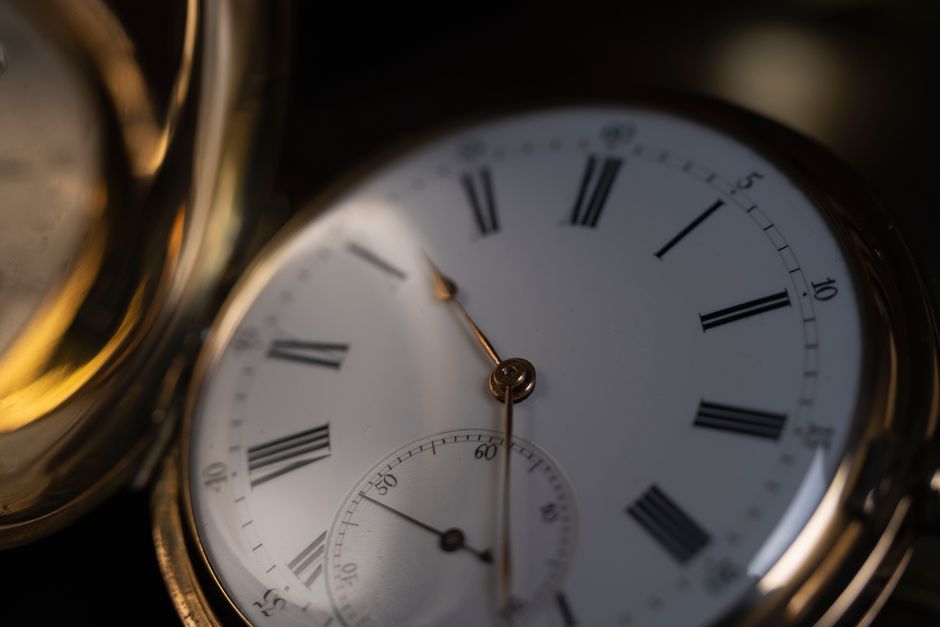
Sharing your insights or learning from a like-minded community can enrich your approach. Use professional platforms such as LinkedIn sharing or open forums on X sharing to exchange tips, but be cautious of overly promotional or fluff-heavy advice.
Common Mistakes to Avoid
- Ignoring small problems: Hairline cracks, a slightly stiff crown, or unusual noises in mechanical objects usually escalate if unattended.
- Over-reliance on brand hype: Brands like Rolex carry immense reputations, yet even the best require care. Conversely, new brands or apps like MrQ may not have the same durability guarantees and require a proactive maintenance mindset.
- Guessing or fabricating costs: When planning services, avoid inventing prices seen elsewhere online. Service fees depend heavily on location, service provider, and condition of the item. Seek official quotes or trusted repair experts instead.
- Using incorrect cleaners or tools: Harsh chemicals, abrasive cloths, or improper lubricant damage rather than preserve.
Summary: The Lasting Value of Reliability and Craftsmanship
Building a simple maintenance routine begins with understanding that true value lies in craftsmanship and precise quality control well upstream of the point of sale, such as what the Federation of the Swiss Watch Industry (FHS) champions. Regular cleaning schedules, timely repairs based on small details and tolerances, and careful documentation ensure that your treasured possessions remain reliable and beautiful over the years.
Whether it’s a Rolex wristwatch showcasing decades of Swiss precision, your preferred leather wallet, or the digital tools you trust like the mobile platform MrQ, systematic maintenance preserves not just functionality but the artistry and legacy these items embody.
Use professional networks like LinkedIn and social sharing platforms like X to stay connected with experts and fellow enthusiasts who can help refine your approach.
By applying these principles, you take ownership beyond mere possession—you steward the quality and reliability designed into your items, honoring the small details that truly make a difference long-term.