How Do I Make Self-Care Feel Restorative Instead of Another Task?
In today's busy world, self-care often feels like just another item on an endlessly expanding to-do list. Social media feeds overflow with perfect morning routines, exotic supplements, and trendy gadgets promising miraculous relaxation or overnight wellness. Meanwhile, https://bizzmarkblog.com/how-do-i-budget-for-self-care-without-cutting-the-basics/ marketing can make self-care seem like a commercial race where you must buy the latest product or experience to “keep up.” But is that really what self-care should be about?
If you’re asking yourself, “How do I make self-care feel restorative instead of another task?”, you’re not alone. The good news: it absolutely can be simpler, more enjoyable, and genuinely renewing. This article explores practical ways to reduce the pressure around self-care, focus on simple habits that stick, and avoid the trap of over-commercialisation—especially when it comes to wellness products like CBD and cannabis derivatives.
Understanding the Self-Care Pressure
First, let’s acknowledge the root of the problem. Self-care has become a big business. From high-end wellness retreats to limitless social media scrolls showing “perfect” yoga poses and glowing complexions, it’s easy to feel like you’re failing if you don’t have an Instagram-worthy routine. This pattern can turn self-care into anxiety-inducing “work.”
Independent reviewers such as Which? and similar consumer advocacy organizations consistently remind us to look beyond the hype and focus on effectiveness and value. Their detailed product and service testing often finds that simpler, well-established methods beat trendy, high-cost gimmicks in improving well-being.
Why the Basics Beat Gadgets and Supplements
Instead of chasing the latest dongle or pills, building a foundation of simple, consistent habits usually delivers the most meaningful results. Here’s a short list of what I call the boring basics of restorative self-care:
- Regular Sleep Patterns: Aim for consistent bedtimes and wake times, even on weekends.
- Balanced Nutrition: Focus on whole foods you enjoy rather than expensive supplements or “superfoods.”
- Moderate Movement: Find an activity you like, whether it’s a short daily walk, stretching, or gentle yoga.
- Mindfulness or Breathing Exercises: Just five minutes a day to centre yourself can make a huge difference.
- Digital Detox: Limit social media scrolling—especially when it makes you feel pressured or inadequate.
Why do these work better? Because they’re sustainable and don’t require constant shopping or upgrades. Gadgets can lose novelty quickly, and supplements may not be as effective as claimed, especially without lifestyle support.
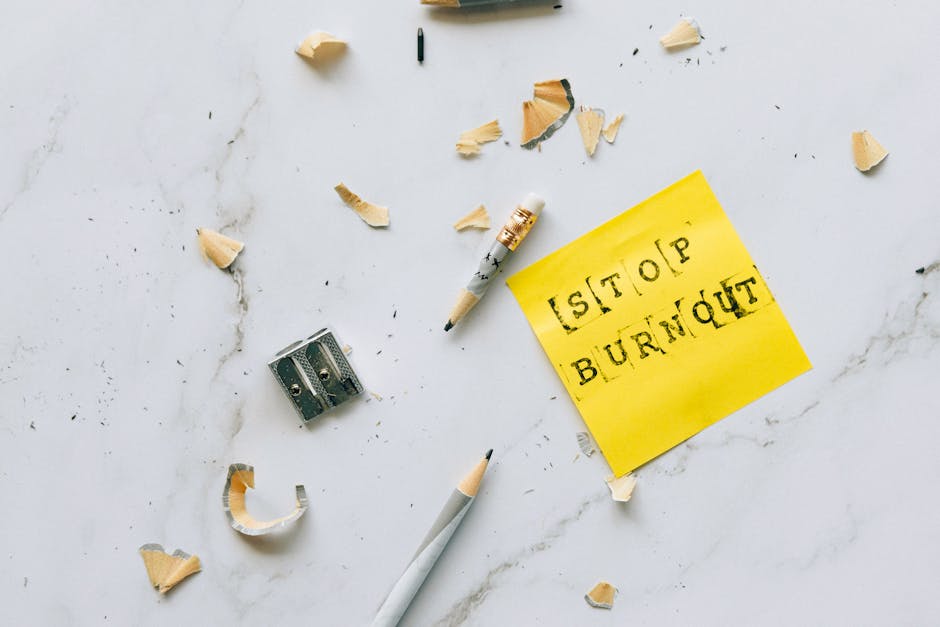
The Role of Social Media Feeds: Friend or Foe?
Social media isn’t inherently bad for self-care, but it does come with pitfalls. Endless curated images and “life hacks” can make you feel behind or that you must do more.
Try these approaches to make social media a more positive self-care influence:

- Curate Your Feed: Follow accounts that promote realistic, science-backed wellness advice, and unfollow those that add pressure.
- Use Limits: Set timers or app restrictions to avoid getting sucked into unending scrolling.
- Engage Mindfully: Use social media consciously as a tool to learn or connect—not as a comparison game.
Understanding UK Legality: THC Edibles vs CBD Products
Another area where self care alternatives to shopping “self-care” marketing can be confusing is cannabis-based products. With the rising popularity of CBD oils, creams, and other supplements, consumers in the UK are often unsure what’s legal, what’s effective, and how it relates to medical cannabis.
Product Type Legal Status in the UK Typical Use Notes CBD (Cannabidiol) Products Legal if derived from approved hemp strains and containing less than 0.2% THC Wellness supplements for relaxation, sleep, skin care No psychoactive effects; products like oils, capsules, creams widely available THC Edibles (Cannabis-Infused Food) Illegal unless prescribed by a specialist under strict medical supervision Used medically to treat certain conditions, not available OTC THC is psychoactive; recreational use is illegal Prescription-Only Medical Cannabis Available through specialist doctors for specific medical conditions Treatment of chronic pain, epilepsy, multiple sclerosis symptoms Highly regulated, requires medical referral; not OTCFor those interested in exploring CBD as part of their self-care, companies like Releaf offer UK-compliant, independently tested products. It’s important to check for third-party lab reports and reliable consumer reviews before purchasing.
What Problem Is This Solving? The Key Question for Self-Care
Before investing time or money into any self-care product or routine, pause and ask yourself: “What problem am I trying to solve?” For example:
- Feeling constantly stressed: Try daily breathing exercises or a brief evening walk.
- Struggling to sleep: Consistent bedtimes and avoiding screens before sleep help more than a fancy pillow or sleep gadget.
- Sore muscles from desk work: Simple stretching or gentle yoga can outperform topical creams.
Being clear about your goal allows you to focus on the essentials rather than trendy marketing promises.
Creating an Enjoyable Routine That Survives Busy Weeks
Consistency without overwhelm is key. Here are some tips to build a routine that feels like a treat, not a hassle:
- Start Small: Pick one or two simple habits to embed first—like 5 minutes of mindful breathing after waking up.
- Integrate with Daily Life: Fit habits into existing patterns, such as stretching while watching TV or walking during phone calls.
- Be Flexible: If you miss a day or two, don’t see it as failure. Adjust rather than quit.
- Track What Matters: Use a journal or app to note how habits affect your mood and energy, not just completion.
- Skip the Guilt: Self-care isn’t a competition—it’s a kindness to yourself.
Final Thoughts: Rediscovering Restorative Self-Care
Self-care doesn’t have to feel like another task or a costly challenge. By stripping back to the basics, using trusted sources like Which? for independent reviews, being mindful of UK laws around wellness products, and regularly asking what problem your routine solves, you can build habits that truly support your well-being.
Remember, enjoyment and restoration come from habit simplicity, consistency, and compassion—not from pressure or perfection. When self-care is a genuine, enjoyable break, it restores both body and mind, helping you face the world with more resilience.
```