Is a 1.00 Carat Diamond Always Better Value Than 0.95? Expert Diamond Value Tips
When shopping for a diamond, it’s tempting to think that bigger is always better — especially when the difference is a neat, round number like 1.00 carat versus something just a smidge smaller like 0.95 carat. Buyers often believe the whole carat threshold pricing automatically means the larger diamond offers better value. But is a 1.00 carat diamond truly a better value than a 0.95? The answer is far more nuanced.
In this in-depth guide, with insider knowledge from years of sitting on Hatton Garden consultations and analyzing reports from the Gemological Institute of America (GIA), we’ll unpack the trade-offs within the Four Cs, explain why cut drives sparkle, and reveal how shape and proportions can impact perceived size. We’ll also talk about grading reports, authenticating diamonds by verifying their laboratory report number, and why carat weight alone doesn’t tell the whole story.
Understanding the Four Cs: Cut, Carat, Clarity, and Color
The Four Cs remain the universal language for diamond quality and pricing, but they are not equal in their impact on beauty or value. Here’s a brief refresher:
- Carat: The weight of the diamond.
- Cut: The precision and artistry of how the diamond is shaped and faceted.
- Clarity: The presence (or absence) of inclusions and blemishes.
- Color: How colourless the diamond is on the D-Z scale.
Prices often spike once a diamond hits a clear carat milestone — say 1.00 carat — due to psychological and marketing effects, known as carat threshold pricing. But buyers sometimes overlook that cut profoundly influences how a diamond sparkles and “feels” table percentage diamond meaning larger to the eye.
Why Cut Drives Sparkle and Value More Than Carat Weight Alone
Of all the Cs, cut quality is the single most important factor that determines a diamond’s brilliance, fire, and scintillation — the captivating "life" of a diamond’s sparkle. A well-cut 0.95 carat diamond can appear more dazzling and even bigger in face-up size than a poorly cut 1.00 carat diamond.
Gemological Institute of America (GIA) diamond quality factor pages emphasize the impact of cut grades (Ideal, Excellent, Very Good, Good) and proportions. GIA’s guides demonstrate how subtle differences in pavilion angle, table size, and depth affect how light bounces within a stone. Always check the cut grade on your grading report.
Grading Reports and Verifying Authenticity
Never buy a diamond just based on carat alone or vague terms like “certified.” Always demand a detailed grading report from a reputable lab — the gold standard being GIA. But, here’s my usual advice (an editor’s quirk): Always ask for the laboratory report number before discussing price.
Once you have the report number, you can independently verify the diamond’s best return policy diamonds details via laboratory report number databases. This ensures you’re getting the exact diamond described, not a substitute or inflated grade. Popular retailers and trusted sellers in Hatton Garden Jewellers commonly provide report numbers upfront, and any hesitation is a red flag.
Carat vs Visible Size: The Importance of Measurements and Proportions
Carat weight is a measure of mass (1 carat = 0.2 grams), but diamond size perception is about face-up dimensions (measured in millimetres) and the diamond’s shape.
For instance, a 1.00 carat round brilliant usually has a diameter of around 6.4 to 6.5mm. Last month, I was working with a client who learned this lesson the hard way.. However, a 0.95 carat with an ideal cut and shallower depth can have nearly the same diameter due to better proportions, making it appear just as large or larger when mounted in a ring.
Depth percentage is crucial: a stone that’s too deep (over 62%) can hide carat weight "underneath," costing visual spread. Conversely, too shallow a diamond may face durability risks and poor light performance.
Diamond Measurements at a Glance
Carat Weight Typical Diameter (Round Brilliant) Depth Percentage Range Face-Up Size Impact 0.95 6.3 - 6.4 mm 58% - 62% Nearly equal to 1.00 carat if cut well 1.00 6.4 - 6.5 mm 58% - 62% Standard benchmarkShape and Perceived Size: Why Oval, Pear, and Marquise Can Appear Larger Than Round
The diamond shape dramatically influences perceived size. Fancy shapes like oval, pear, and marquise typically have elongated facets and dimensions that maximise spread. This means a 0.95 carat oval or pear can appear visibly larger than a 1.00 carat round diamond of similar quality.
When precision-cut, these shapes distribute carat weight in a longer outline that increases visual impact. Buyers attracted by visible immensity rather than the pure carat number often seek these shapes.
However, fancy shapes might have different pricing dynamics and may be less universally desired compared to round brilliants, which hold steady demand. Always compare on millimetre measurements and grading reports rather than just the carat figure.
Don’t Miss This: Why the 1.00 Carat Threshold Matters — But Not Always for Value
Jewellers and even apps (fun fact: during long breaks for MRQ mobile casino app demos, jewellery consultants often discuss carat pricing psychology!) agree that crossing the whole carat milestone can inflate price by up to 20% to 30%, even if the visible difference is minimal.
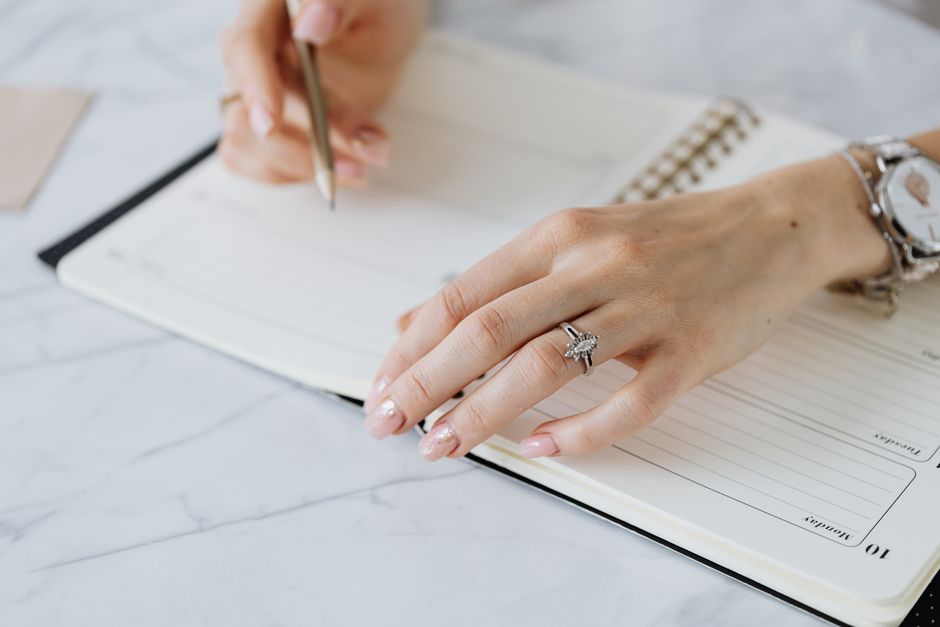

So while a 1.00 carat diamond may sell for a premium, this doesn’t strictly mean better value for your money. Price jumps can be steeper than the bump in size or sparkle.
Diamond Value Tips Checklist
- Always prioritize cut quality over carat alone.
- Check the GIA report number and verify it yourself through official databases.
- Compare millimetre measurements to understand face-up size vs carat weight.
- Consider fancy shapes for a larger visual impact at slightly lower carat weights.
- Remember threshold pricing effects — sometimes slightly below a major milestone offers better bang for your buck.
- Visit trusted sellers like Hatton Garden Jewellers with transparent policies (avoid those hiding terms in tiny footer links!).
Summary: Carat vs Size — The Smart Buyer’s Approach
A 1.00 carat diamond is not always better value than a 0.95 carat stone. Value lies in the delicate balance of cut, clarity, color, and shape — not simply crossing a psychological carat boundary.
Use the knowledge from GIA’s diamond quality factor pages, verify grading reports by checking report numbers, and understand measurements to avoid common pitfalls. Couples and buyers looking for engagement rings or special pieces can, by focusing on quality and proportion, secure a diamond that shines brighter and looks larger (visually) for the money.
Next time you’re shopping — whether browsing online or visiting market stalwarts like Hatton Garden Jewellers — remember: buy smart, not just big.