Is the Submariner “Kermit” Really a Good Example of Discontinued Value?
When it comes to luxury watches that have transcended mere timekeeping to become bona fide collector icons, the Rolex Submariner “Kermit” stands out prominently. Launched in 2003 to celebrate the 50th anniversary of the Submariner line, this particular model—the Rolex Submariner with the green bezel insert—sparked immense collector interest, and its discontinuation in 2010 added an alluring scarcity factor. But does this translate into a straightforward upward value trajectory? Is the “Kermit” genuinely a reliable poster child for discontinued Rolex pricing, or is the story more nuanced?
Let’s dive in, employing live secondary-market data, comparable sales analysis, and seasoned insights from industry players like Rolex, Diamond Banc, and RESIDENT™, to unpack this collector case study through the lens of watch collecting as portfolio-style stewardship.
Understanding Watch Collecting as Portfolio-Style Stewardship
Beyond passion and aesthetics, contemporary watch collecting increasingly parallels discreet investment management. Collectors today don’t merely buy to admire; they curate, diversify, and manage their horological assets in a way reminiscent of a financial portfolio. Hidden in this approach are two key values for every watch:
- Insurance appraisal value: The amount assigned by insurers, often based on retail price or replacement cost.
- Market value: The real-world price one can command or pay on the secondary market.
Many newcomers to the watch secondary market err by blending these two values, unaware that insurance appraisal and market pricing can https://smoothdecorator.com/what-questions-should-i-ask-a-rolex-buyer-before-i-sell/ diverge significantly. Particularly with discontinued models like the Submariner Kermit, this discrepancy can create misconceptions regarding true ownership value.
True stewardship demands continuous monitoring of live market indicators, including demand patterns, condition grading, and rarity metrics, rather than relying solely on static MSRP or insurance figures. This is where trusted secondary-market data platforms and appraisal specialists such as Diamond Banc and RESIDENT™ become invaluable. They offer real-time visibility into actual transaction values and authenticate condition, helping owners avoid the trap of overestimating a watch’s liquidation potential.
The Submariner Kermit: Iconography and Market Context
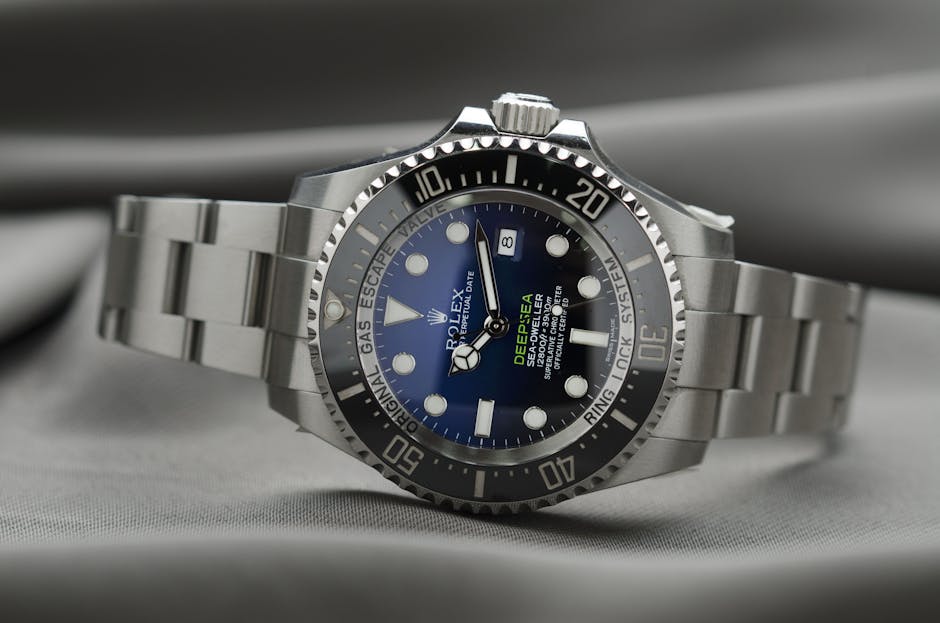
The “Kermit” Submariner, famed for its distinctive vibrant green bezel and classic black dial, was an immediate departure from Rolex’s traditionally conservative color palette. Introduced under reference 16610LV, it ushered in a new dynamic for collectors: a high-visibility variation on a legendary silhouette.
Production ceased in 2010 with the introduction of the ceramic bezel “Hulk” (116610LV)—a larger, modern iteration sporting a green dial and bezel. The Kermit’s relatively short production run (seven years) and unique conception fueled initial collector fever upon discontinuation. But examining whether this enthusiasm translates into steady residual value isn’t as straightforward as some media headlines may suggest.
Market Saturation, Condition, and Configuration Effects on Value
Discontinued status alone doesn’t guarantee sustained premium pricing. Consider these three critical factors:
diamond banc vs bob's watches- Saturation: The number of Kermits entering the secondary market affects perceived rarity. Despite a limited run, many examples have entered circulation. This volume dampens “scarcity premium” somewhat.
- Condition: Collector demand remains strongly tied to condition. Mint examples with original box, papers, and untouched green bezel command premium valuations, while heavily worn or serviced watches fetch discounts. “Full set or not” dramatically impacts pricing.
- Configuration: Variations like bezel fading, replacement parts, or aftermarket modifications influence desirability and pricing. Authenticity and originality remain critical for premium assessments.
Authenticated listings and comps from trusted sources like Diamond Banc and RESIDENT™ illustrate that some specimens enjoy significant value appreciation, especially “full set”, unpolished pieces with minimal wear. Others, lacking provenance or featuring aftermarket components, reflect more tempered or stagnant pricing trends.
Live Secondary-Market Data and Comparable Sales Insights
One of the most powerful tools for discerning true market value is harnessing live secondary-market data and analyzing comparable sales. Platforms affiliated with Diamond Banc or curated by RESIDENT™ offer dynamic pricing views rather than static averages, incorporating:
- Recent sale prices from reputable auction houses and private sales.
- Listings met with active buyer engagement and offers.
- Condition tiers corresponding to market categories (NOS, near mint, worn).
Tracking a dozen comparable Rolex Submariner Kermits across these platforms shows a nuanced pricing band. For instance, mid-grade examples tend to hover near or slightly above the final retail price from their era (adjusted for inflation), while the top-condition “full set” specimens with minimal bezel fading or case polishing command upward of 30–40% premiums over last known retail.
However, price volatility exists, influenced by broader macroeconomic factors, watch market saturation, and competing alternatives like the Hulk or newer green Submariners.
Insurance Appraisal vs Market Pricing Mismatch: A Cautionary Tale
One common misstep many collectors make is equating insurance appraisal values with expected resale prices. Insurance appraisals typically reflect replacement costs, which for Rolex watches can run into tens of thousands, given retail price inflation and scarcity of new units.
But in secondary markets, prices are functionally liquid: the effective value emerges from actual willing buyer-seller transactions. For the Submariner Kermit, an owner insured for $15,000 to $17,000 replacement cost might realistically expect a resale price range from $12,000 on lower-end condition to $21,000 or higher for a pristine, full-set watch—influenced heavily by demand.
This underscores the importance of separating “insurance” from “market” values in portfolio stewardship, especially when considering liquidation planning or insurance reviews through platforms like RESIDENT™.
Summary Table: Submariner Kermit Market Value Tiers
Condition/Configuration Typical Price Range (USD) Key Value Drivers Mint, Full Set (Boxes, Papers), Original Bezel & Dial $18,000 - $25,000 Scarcity, provenance, collector demand Good Condition, Possibly Polished, Partial Papers $14,000 - $18,000 Condition wear, missing accessories Worn, Replacement Parts, Aftermarket Modifications Below $14,000 Authenticity questions, reduced demandConcluding Thoughts: Is the Kermit a Reliable Discontinued Value Benchmark?
Ultimately, the Submariner Kermit stands as a compelling collector case study on how discontinued watches can hold and, in some cases, grow secondary market value while highlighting important lessons:
- Discontinued status imparts rarity but doesn’t unilaterally guarantee escalating prices—market saturation and relative supply matter.
- Condition, configuration, and accompanying documentation (box, papers) heavily influence realized values, often more than age alone.
- Insurance appraisals must be viewed with caution relative to true market liquidity; having two distinct numerical values for every watch (insurance vs market) safeguards expectations.
- Leveraging live secondary-market data and comparable sales from trusted partners like Diamond Banc and RESIDENT™ ensures accurate, current valuation insights rather than guesswork or outdated MSRP references.
For collectors treating watches like stewarded assets within diversified portfolios, the Submariner Kermit exemplifies the marriage of cultural desirability with financial prudence. It rewards those who rigorously evaluate individual watch condition and provenance while continuously monitoring authentic transactional data.
So, is the Submariner “Kermit” a good example of discontinued value? The answer is a measured yes—when approached as a well-informed, data-driven stewardship opportunity rather than a blind bet on brand mystique alone.