Seiko vs Citizen for a Watch That Lasts – What Should I Check?
Choosing a watch that stands the test of time is more than just picking a brand name or a flashy model. When it comes to Seiko and Citizen, two giants in Japanese watchmaking, the decision can be surprisingly nuanced. Both brands boast impressive build quality, strong reliability track records, and sensible maintenance needs, but understanding the subtle layers behind what makes a watch truly durable requires a closer look.
In this post, I’ll guide you through what to check when hunting for a long-lasting watch, referencing hands-on experience from my days at The Watch Company (TWC Japan) and insights from our TWC Blog. Along the way, I’ll touch on lessons from higher-end brands like Rolex and Omega—not to compare pricing but to highlight how top-tier craftsmanship shapes expectations.
Craftsmanship Beyond Function: More Than Just Timekeeping
Many buyers focus on specs—“quartz or mechanical,” “water-resistant to 100m,” or “solar-powered.” These features are important, no doubt. But build quality doesn’t come from a spec sheet alone. It’s a chain of small decisions in design, material choice, assembly, and finishing.
For example, one of the first things I check when evaluating a watch—whether Seiko, Citizen, or luxury brands like Rolex—is how the crown feels. Does it screw down smoothly without wobble? Is the tactile feedback firm without being stiff? This may sound minor, but it informs you about engineering focus and quality control. Cheap mass-produced crowns often rattle or feel loose, making the watch more vulnerable to moisture and dust ingress over time.
Similarly, the balance of the bracelet or strap when worn is a subtle clue about design intent. Well-engineered bracelets sit comfortably and distribute weight evenly. It sounds mundane, but a balanced bracelet reduces wear on the end links and pins, which in turn lowers maintenance frequency. Citizen and Seiko, even at mid-tier price points, put noticeable effort here compared to some fashion watches.
Invisible Craftsmanship Details That Matter
- Dial finishing: Look closely at indices, print quality, and lume consistency. Premium finishes won’t have smudges or uneven application.
- Case polishing: Seiko’s “Zaratsu” polishing (seen in higher models) produces distortion-free mirror finishes, a sign of hands-on finishing vs. machine grinding.
- Movement design: Does the movement have shock protection? Are jewels placed to reduce friction and wear? While these are invisible at a glance, they underpin long-term reliability.
- Gasket integration: Watches claiming water resistance should have gaskets neatly seated without glue blobs or gaps, affecting durability against moisture.
Upstream Quality Work: From Design to Quality Control (QC)
In discussions around watch durability, we often hear vague claims like “built to last.” But what does that mean day to day?
For me, a watch built to last starts upstream in the process:
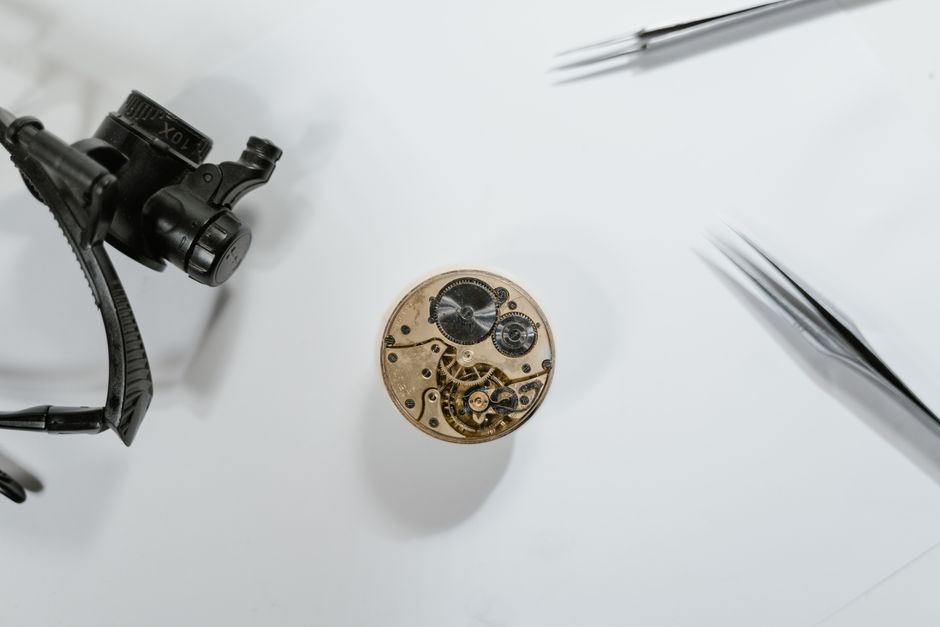
- Design philosophy: Both Citizen and Seiko invest time in research and development, iterating designs to optimize component longevity. For instance, Seiko’s in-house Spring Drive movement exemplifies this—melding mechanical complexity with electronic regulation for enhanced precision and durability.
- Material sourcing: Using high-grade stainless steel, sapphire crystal, or proprietary alloys makes a material difference in resisting corrosion, scratches, and impacts.
- Manufacturing controls: Factories with automated inspection systems combined with rigorous human QC checkpoints tend to catch defects before watches leave the line.
- Post-production testing: Water-resistance testing, magnetic resistance checks, and timekeeping accuracy verification ensure watches meet standards consistently.
Compared to Swiss giants like Rolex or Omega, Citizen and Seiko may not reach the same hand-labor intensity, but they leverage advanced manufacturing and tight QC standards that hold up remarkably well. It’s like in another field—say the mobile gaming sector with platforms like MrQ https://smoothdecorator.com/how-luxury-brands-keep-standards-consistent-for-years/ mobile, where robust backend design and rigorous testing ensure reliable user experience across devices. The principle is universal: solid upstream work prevents headaches later.
Reliability Track Record and Long-Term Value
Reliability isn’t only about watches not breaking down; it’s about maintaining a consistent user experience over years.
Seiko has legendary durability with models like the SKX divers, which run reliably for decades with proper servicing. Citizen’s Eco-Drive solar watches reduce the need for battery replacements, an advantage for daily wearers who dislike servicing hassles.
When evaluating reliability track records:
- Look for warranty coverage and how the manufacturer handles repairs.
- Consider the availability of spare parts and skilled service centers. Thanks to widespread popularity, both brands have extensive global support networks.
- Read user reviews focusing on the same model over multiple years. TWC Blog often features owner experiences emphasizing durability firsthand.
While luxury names like Rolex and Omega command higher prices partly for their heritage and hand-assembly, the practical long-term value of a Seiko or Citizen often shines for everyday wear.
Maintenance Needs: What To Expect and How To Prepare
Maintenance is where many watches falter in the long run, often due to neglect or repair costs outweighing value.
Aspect Seiko Citizen Rolex/Omega (Luxury) Recommended service interval Every 3-5 years Every 3-5 years for mechanical; battery change/free for Eco-Drive Every 5-10 years Typical service cost Relatively affordable ($100–$200) Affordable to moderate ($100–$250) Expensive ($500–$1000+) Battery replacement Quartz models require regular changes (~2 years) Eco-Drive models rarely need replacement; quartz models similar to Seiko Not applicable for automatic watches Parts availability Wide availability, after-market friendly Wide but sometimes brand-specific Strict parts control, brand-only service advised
Knowing these points helps you plan ownership costs realistically. Citizen’s Eco-Drive often reduces battery hassle, while Seiko’s mechanical movements are celebrated for robustness and easy servicing. Both brands have clear user manuals and support communities, so owners don’t feel adrift.
Summary: What to Check When Choosing Your Durable Watch
- Crown Feel: Smooth, firm, and secure operation signals good build quality.
- Bracelet Balance: Comfortable fit and even weight distribution reduce wear over time.
- Invisible Details: Check dial finishing, quality of gaskets, and movement shock protection.
- Upstream Quality: Confirm manufacturer’s QC credibility and design philosophy.
- Reliability Track Record: Read long-term reviews and warranty policies.
- Maintenance Needs: Understand service intervals, costs, and parts availability.
In the end, Seiko and Citizen offer watches built to last more than just years—they thrive in everyday life through thoughtful engineering, reliable materials, and strong aftercare. If you prioritize reliability, sensible maintenance, and subtle craftsmanship over name droppings or hype, these brands deliver consistently.
For more insights, feel free to visit TWC Blog, where we regularly cover detailed buyer tips and hands-on experiences with pre-owned and new watches from Japan and beyond.
And if you’re curious about how robust platform design translates into other fields like entertainment, check out the MrQ mobile platform—a https://highstylife.com/why-do-collectors-talk-about-consistency-more-than-hype/ great example of maintaining quality end-user experience behind the scenes.
Choosing your next watch wisely means understanding the chain of thoughtful decisions that make it not just “built to last” but enjoyable to wear every day.