What Should I Do for Self-Care When I’m Too Busy?
In today’s hyper-connected world, carving out time for self-care can often feel like a luxury rather than a necessity—especially when your schedule is bursting at the seams. Social media feeds overflow with slick product launches, miracle supplements, and ever-promising detox regimens that seem tailor-made for our "busy, stressed" lives. Yet how much of this is genuinely helpful, and how much is just commercialized noise? If you’re juggling deadlines, errands, family, and the odd moment of downtime, what should self-care really look like? Let’s unpack the essentials, separate fact from marketing fiction, and find practical ways to integrate quick self-care into your busiest days.
Why Self-Care Often Feels Overwhelming
Self-care is frequently marketed as a sprawling activity requiring expensive gadgets, elaborate routines, and a laundry list of products—from fancy diffusers to targetted supplements. This approach can backfire, making people with packed schedules feel like they’re failing if they can’t keep up.
Companies, big and small, normally sell solutions for stress, sleep, skin, or mood. For example, Releaf, a UK-based wellness boutique, offers an array of CBD products marketed towards relaxation and wellbeing. However, it’s crucial to understand what CBD in the UK legally represents, versus prescription cannabis products, and what evidence really supports their use. Independent reviews and organizations like Which? provide vital insights to help consumers cut through the marketing haze.
What Problem Is Self-Care Solving For You?
Before diving into the newest trend or gadget, take a moment for the question I always ask myself and my readers: What problem am I truly trying to solve?
- Are you struggling with sleep?
- Is your energy draining before the workday ends?
- Are you feeling mentally overwhelmed or physically tense?
- Do you want to create moments of calm amid chaos?
Pinpointing your core issue helps steer your self-care towards meaningful, manageable actions rather than getting lost in gimmicks. For busy schedules, even micro habits—tiny, doable practices integrated into your existing routine—can profoundly impact wellbeing.
Boring Basics Beat the Latest Gadgets and Supplements
There’s a delightful irony in self-care that even the most expensive tech or herbal remedy can't fix: the "boring basics" inmagazine.co.uk are often what sustain people through busy, stressful periods.
The Boring Basics of Quick Self-Care:
- Hydration: Drinking enough water throughout your day keeps your body and brain functioning effectively. Set a simple goal like a glass of water before each meal.
- Movement: Stretching or walking for just 5–10 minutes can break up sedentary habits and clear your mind. No fancy equipment required.
- Sleep: Prioritize consistent sleep times—even if that means cutting back on late evening screen use.
- Mindfulness: A short breathing exercise or journaling for 2–3 minutes can help reset your stress response.
- Nutrition: Balanced meals don’t need to be complicated—focus on simple whole foods when time is tight.
People with busy lifestyles who maintain these basics often feel better equipped to handle daily challenges without relying on expensive or confusing products.
Understanding UK Legality: THC Edibles vs. CBD Products
The wellness market for cannabis-derived products is booming in the UK, but it’s essential to understand the legal distinctions and realistic benefits:
Product Type Legal Status in UK Common Uses Notes CBD Products Legal if contains less than 0.2% THC Relaxation, minor anxiety relief, sleep support Widely available, non-psychoactive; quality varies THC Edibles Illegal (THC is a controlled substance) Not legally available without prescription Can cause psychoactive effects; unregulated on black market Prescription Cannabis Legal but very limited; must be prescribed by specialist Severe chronic pain, epilepsy, MS symptoms Strict medical supervision required; not typical self-careMany people confuse CBD with medical cannabis or THC products—this distinction matters because their effects, risks, and legal frameworks differ substantially. If you’re tempted by CBD, seek out brands with good transparency and check independent reviews, such as those found on Which?, to verify purity and efficacy.
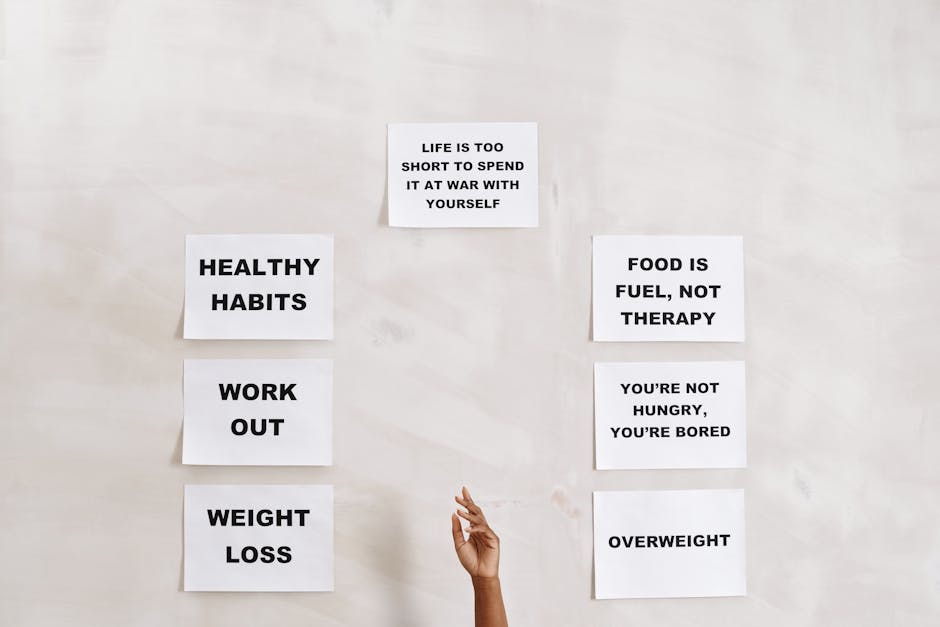
Social Media Feeds: Inspiration or Overwhelm?
Scrolling through social media can feel like a double-edged sword. On one hand, it offers inspiration for quick self-care tips and community support. On the other, the flood of influencer recommendations and product placements can fuel FOMO or push you toward unrealistic routines.

Some advice on navigating social media for self-care:
- Follow trusted, evidence-based wellness experts rather than generic influencers.
- Look out for reviews and feedback from real users, not just marketing hype.
- Remember that complex routines aren’t mandatory—micro habits and basics still win the longevity game.
How to Build Quick Self-Care Micro Habits into a Busy Schedule
Micro habits are small, easily achievable practices that don’t demand extra time or energy but accumulate significant benefits over time. Here are some ideas designed for busy lifestyles:
- One-Minute Morning Stretch: Before getting out of bed, stretch your arms overhead or do ankle circles to gently wake your body.
- Bathroom Breathers: Take 3 deep, slow breaths while washing your hands during your day to ease tension.
- Phone-Free Meal Moment: Eat one small meal or snack without checking your screen to foster mindful eating.
- Water Reminder: Place a bottle or glass in your line of sight to cue sipping regularly.
- Gratitude Quick Notes: Jot down one thing you’re grateful for in a notes app or diary every evening.
By folding these small habits into your existing day without demanding extra "me time," you reclaim a sense of wellbeing without overwhelming your schedule.
Avoid Pressure: Self-Care Doesn’t Have to Be Perfect or Expensive
The biggest trap for busy people is thinking that if self-care isn’t soothing bath powder or a guided meditation retreat, it doesn’t count. But simple is sustainable. Even Which? experts often highlight that consistent, basic practices outperform intermittent fads.
So, next time you encounter an instagrammable self-care checklist promising total life transformation, pause and ask yourself: Is this solving my problem? Can I fit this in without stress? Or would a 5-minute walk and a glass of water be a better bet?
Summary: Your Busy Schedule Deserves Realistic, Effective Self-Care
- Self-care is often over-commercialized—prioritize essentials over gimmicks.
- Micro habits and basics beat complex routines when time is limited.
- Know UK laws around CBD and THC to avoid confusion and legal risk.
- Use trusted independent reviews (like Which?) to vet products.
- Social media can inspire but beware overwhelm and marketing-speak.
- Consistency with simple actions is your real superpower.
Ultimately, self-care should make your busy life easier, not harder. By focusing on what works for you and your unique schedule, you can nurture your wellbeing—even in the busiest of times.
If you want to explore simple yet effective self-care products, check out Releaf’s carefully selected range, backed by transparency and UK regulations.
Remember: the best self-care routine is one that fits your life and helps you thrive—not one you chase because of buzzwords or pressure. Take a deep breath, start small, and build from there.
```