Why Do People Still Buy Mechanical Watches When Phones Tell Time?
In an age where smartphones from platforms like MrQ and countless others provide accurate time at a glance, one might wonder why mechanical watches remain so coveted. After all, your phone not only tells time but also manages your calendar, monitors your health, and offers instant connectivity. Yet brands like Rolex continue thriving, and the FHS reports robust growth in mechanical watch demand worldwide.
This enduring fascination isn’t a mere quirk or nostalgia. The mechanical watch appeals on levels far beyond functionality. It’s about craft, precision, and a subtle quality built upstream — from design to final quality control — making these timepieces more than just time-telling gadgets. Let’s unpack the reasons behind this fascinating longevity.
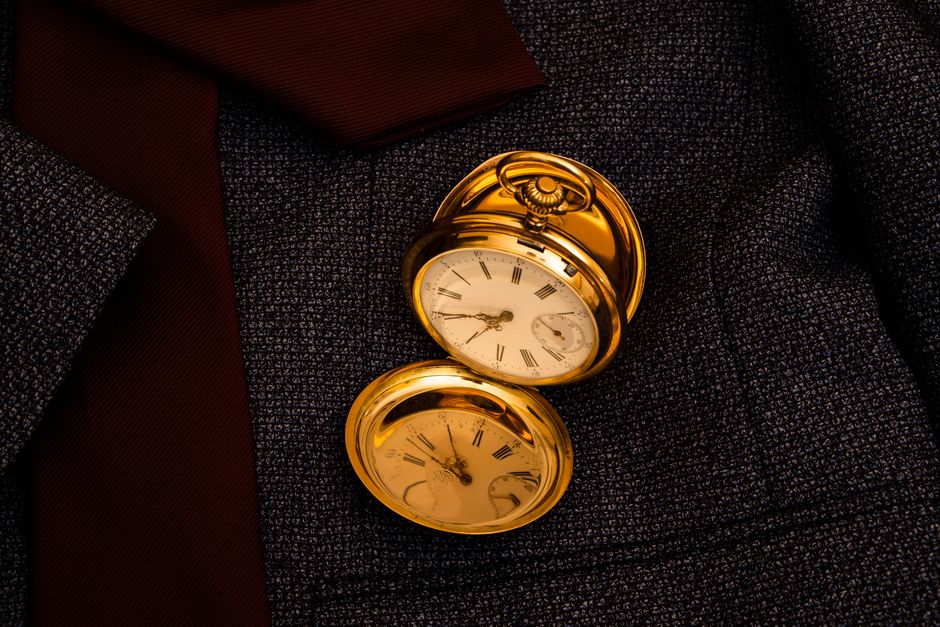
Mechanical Watch Appeal vs. Smartphone Functionality
When we compare a mechanical watch and a smartphone on the pure function of telling time, the smartphone wins hands down. It is accurate to within a fraction of a second, updates via network time protocols, and adjusts automatically for time zones and daylight saving. A mechanical watch, in contrast, can drift by seconds or minutes over days, demands regular winding or movement, and requires periodic servicing.
So why do people still choose mechanical watches?
- Craftsmanship Over Pure Functionality: A mechanical watch is a manifestation of centuries of horological skill. Tiny gears, springs, and escapements dance together in harmony to keep time, often enclosed in meticulously finished cases. This craftsmanship is an artistry, something no touchscreen device can replicate.
- Quality Built Upstream: Brands like Rolex invest heavily upfront in design, raw materials, and rigorous quality control. The balance and finish of each part are checked to tight tolerances before assembly, ensuring the reliability and durability of the complete watch. This process is invisible but integral to the watch’s appeal.
- Reliability as Value Creation: Although mechanical watches need servicing—something I carefully track in my maintenance notebook—they are often built to last generations. A properly maintained Rolex, for example, can run smoothly for decades, making it a future heirloom, not a disposable gadget.
- Small Details and Tolerances: It’s the ‘small stuff’ that watch aficionados count first — the feel of the crown turning smoothly under your fingers, the balanced weight of the bracelet, the absence of play (tolerances) in the links, and the smooth sweep of the second hand. These little details build a tactile experience that no phone user interface can simulate.
The Role of Swiss Watchmaking and the FHS
The Federation of the Swiss Watch Industry (FHS) plays a crucial part in preserving and promoting the tradition of mechanical watchmaking. Swiss watches are synonymous with rigorous standards and a stringent certification process that covers every stage—from raw material sourcing to design, assembly, and quality control. This “quality built upstream” approach ensures that a mechanical watch’s value is rooted not just in brand prestige but in verifiable precision engineering.
Rather than chasing flashy tech features, Swiss watches emphasize longevity, mechanical ingenuity, and subtle aesthetics. They do not merely tell time—they tell a story, of heritage, patience, and exacting craftsmanship.
What Breaks in Year 3? - A Buyer’s Perspective
A question I often ponder is, “what breaks in year 3?” because that is when many owners start experiencing issues invisible at purchase. For a smartphone, after a few years battery degradation, screen damage, or software obsolescence can https://highstylife.com/how-can-innovation-respect-tradition-without-getting-stuck/ diminish usability.

For a mechanical watch, problems are often linked not to fundamental design failures but to maintenance intervals. A well-built mechanical caliber will rarely "break," but over time, lubricants degrade and cause increased friction, which if unaddressed, can lead to wear and inaccuracy. The key is servicing at recommended intervals, something responsible owners note carefully (I keep a dedicated maintenance notebook for my mechanical watches and cameras).
Furthermore, quality watches incorporate design features to protect the movement from shocks and dust, pushing back the timeline before any “breakage” occurs. This reliability itself creates long-term value — a repaired watch remains a valuable possession, while a phone often has zero resale value after a few years.
Watch Craftsmanship: Beyond the Technology
Smartphones are mass-produced tech devices aiming for efficiency and broad appeal. Mechanical watches, especially from premium brands like Rolex, are crafted with labor-intensive processes focusing on:
- Material Selection: Stainless steel, ceramics, precious metals, and sapphire crystals chosen for durability and look.
- Micro-Engineering Precision: Components shaped and finished to tolerances measured in microns.
- Hand Assembly and Adjustment: Expert watchmakers assemble and regulate each movement, tuning it for accurate timekeeping.
- Quality Control Checks: Multiple inspection stages ensure every detail — from dial indices to bracelet links — meets exacting standards.
These layers of craftsmanship lead to an emotional connection for the wearer and a tactile satisfaction impossible to replicate on a screen.
Sharing the Love for Mechanical Watches
If you appreciate the intricate artistry and timeless appeal of mechanical watches, sharing insights can foster community and deepen understanding. Platforms like LinkedIn and X (formerly Twitter) are excellent venues. Whether it’s a well-crafted post highlighting the tolerances of a vintage crown or a detailed photo thread on bracelet balance, these networks customer loyalty luxury watches allow watch enthusiasts and novices alike to explore the mechanical watch appeal beyond the cold utility of digital timekeeping.
Through thoughtful posts and discussions shared on LinkedIn or X, enthusiasts drive conversations away from fluffy marketing claims, focusing instead on the tangible, inspectable qualities that define quality and durability. This focus helps buyers avoid the common mistake of valuing marketing buzzwords without substance.
Conclusion: The Timelessness of Mechanical Watches
The smartphone versus watch debate often overlooks what fundamentally differentiates mechanical watches: craftsmanship as an experience, quality built into every component, and an emphasis on reliability that builds value over decades. While phones offer undeniable convenience, they cannot replace the tactile satisfaction and emotional resonance of a mechanical timepiece.
Fans of Rolex and other prestigious makers understand that a watch is not just a tool but a legacy. Even digital platforms such as MrQ show how technology evolves, yet the allure of mechanical watch craftsmanship remains firmly rooted in tradition, precision, and a celebration of the small details that truly count.